
Continental scale
From the Atlantic to the Pacific, from the Great Lakes to the Gulf of Mexico, spatial difference creates different economic and civic rhythms.
Pages
Enter the United States through geography, institutions, migration, and culture, and see a federation alongside many lived worlds.
AMERICA / UNITED STATES
The United States is formed by a constitutional federation, a continental geography, continuing migration, and a public imagination that keeps changing. It is a country and an institutional arrangement for holding difference together.
Begin with geography Enter the institutional frame
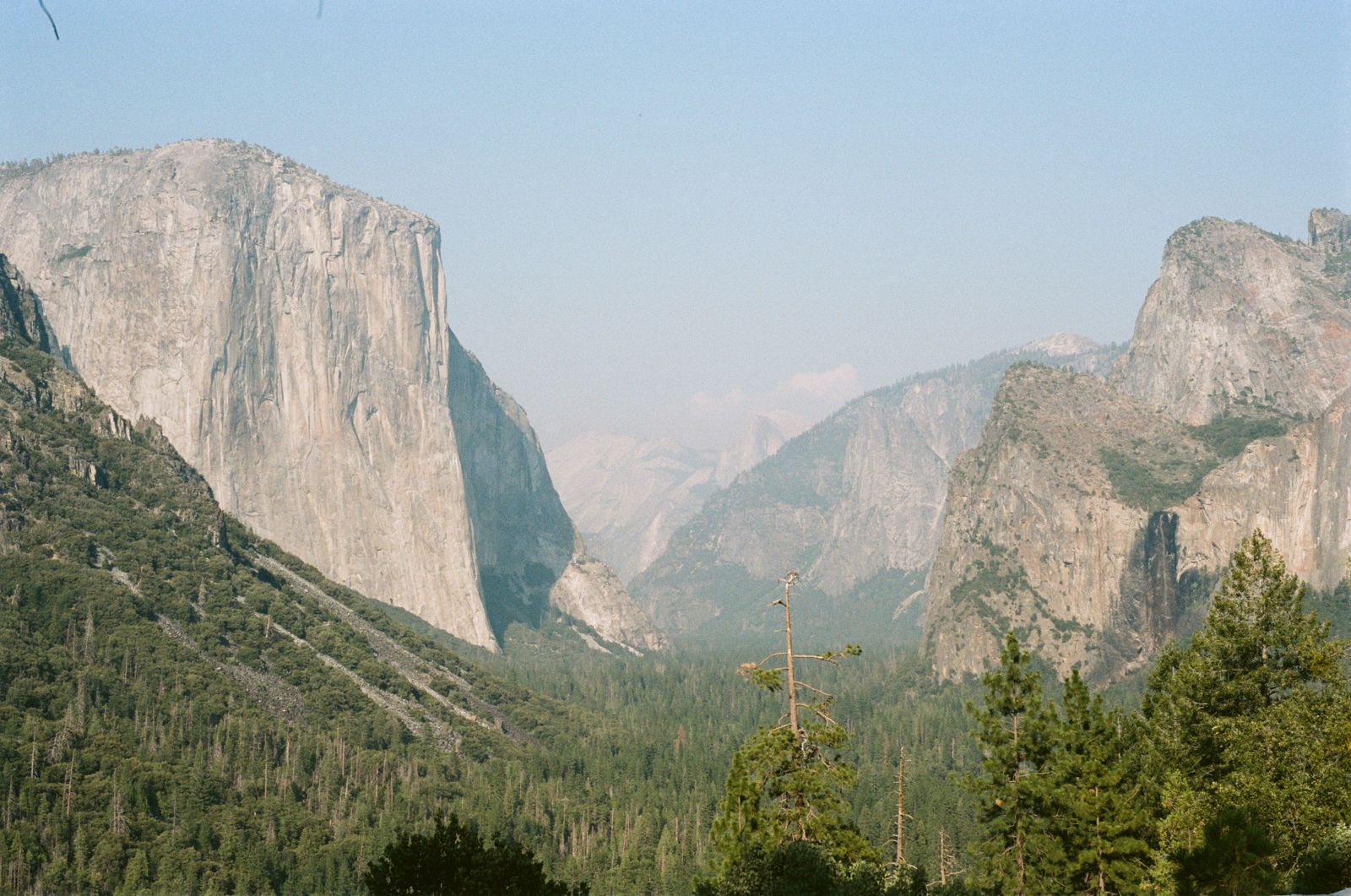
From the Atlantic to the Pacific, from the Great Lakes to the Gulf of Mexico, spatial difference creates different economic and civic rhythms.
Power is distributed across federal, state, and local levels, allowing unity and autonomy to coexist within one system.
Indigenous histories, colonial experience, transatlantic migration, Black American history, and later movements shape the social fabric.
Freedom, equality, and opportunity are written into law and repeatedly tested in public life.
The United States organizes public power as a federal republic, with the Constitution, law, and elections as a shared institutional language.
Coastal cities, interior plains, the Gulf South, western mountains, and the Pacific coast carry very different historical rhythms.
English is the main public language, while Indigenous traditions, immigrant communities, Black culture, and multilingual settings add to the national expression.
States retain broad room for self-government while federal affairs and local life continue to meet across levels.
The presidency, Congress, and federal courts form a structure of divided and checked power.
A shared American identity does not erase regional difference. Difference is part of the country’s central experience.
Rivers, mountains, coastlines, and climate zones provide the country’s physical ground.
The Constitution and federalism connect a vast territory through a common political frame.
Population movement keeps changing cities, industries, languages, and family networks.
Freedom, opportunity, and equality become public ideals and measures of lived reality.
Continue into the rhythms of a plural society, where the idea of a country meets ordinary life.
Continue